October 9, 2026
NAPA User Seminar Korea 2026: A record turnout in Busan
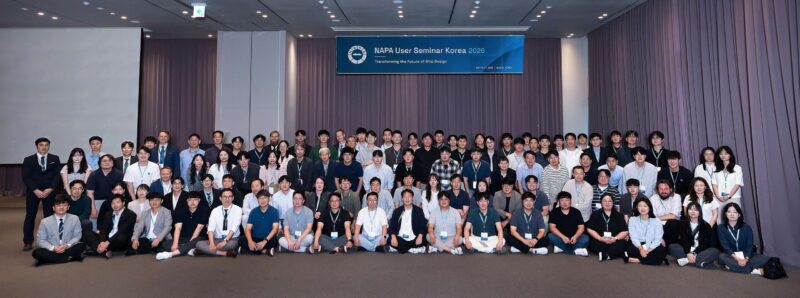
In September 2026, the annual NUSK (NAPA User Seminar Korea) brought together the NAPA community in Busan, the heart of one of the world’s largest shipbuilding industries. About 140 professionals attended this year’s event, the largest turnout in the seminar’s history, under the theme “Transforming the Future of Ship Design.”
Meeting an industry at a strategic turning point
The global vessel orderbook sits at a seventeen-year high, equivalent to seventeen percent of the existing fleet, and shipbuilding has become a strategic priority for governments worldwide, from Korea’s own K-Shipbuilding Future Vision to the European Union’s Industrial Maritime Strategy and Japan’s Shipbuilding Revitalization Roadmap. This is an exciting moment for ship designers, but opportunity and pressure tend to arrive together.
The opening keynote laid out four forces reshaping ship design today: growing complexity, disconnection between design phases, a shrinking pool of experienced naval architects, and the real commercial cost of decarbonization. NAPA’s response followed a consistent thread: turning complexity into clarity through NAPA Designer and NAPA Engineer, disconnection into integration through NAPA Steel, the skills shortage into productivity through an integrated AI solution, NAPA Navigator, and design decisions into real-world performance through NAPA Operational Simulation.
Flexible tools to solve diverse shipbuilding needs
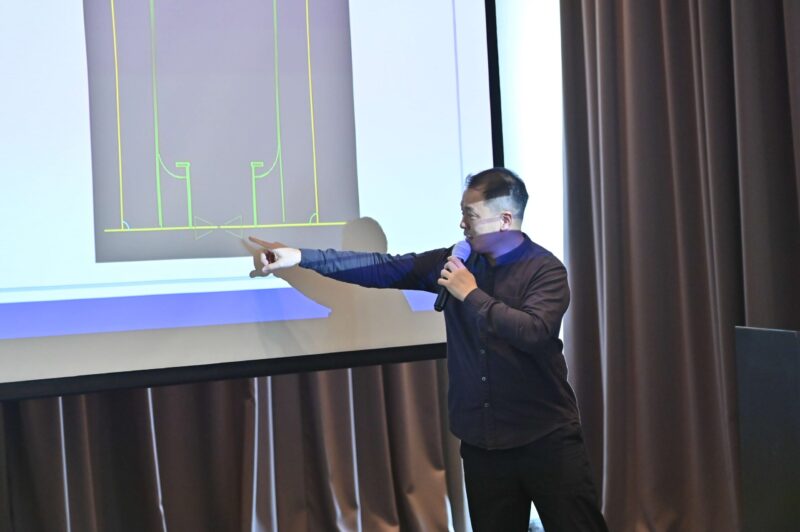
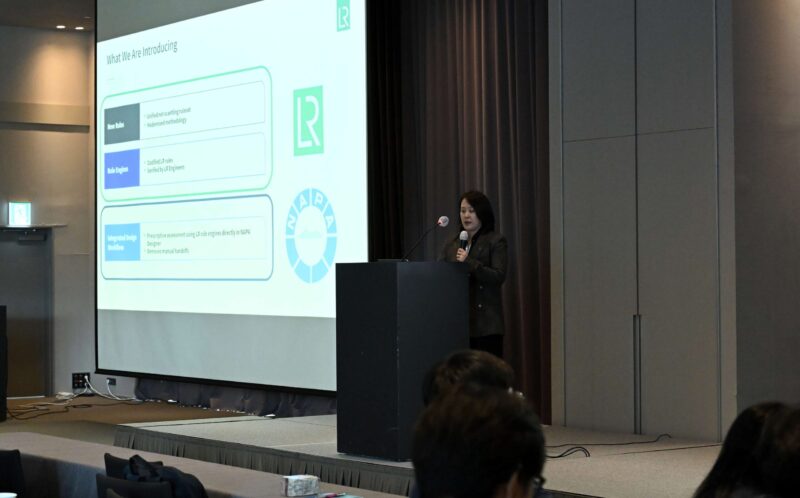
As in previous years, one of the most valuable parts of the seminar was the floor given to NAPA’s customers and partners. Lloyd’s Register presented its real-time prescriptive assessment inside the 3D design workflow. Hanwha Ocean shared its automatic container loading condition generation system built on NAPA Engineer, while HD Hyundai Heavy Industries covered loading condition management, submarine design and stability analysis, and FE mesh generation for container ships. Samsung Heavy Industries closed the session with its work on 2D drafting efficiency.
NAPA’s collaboration with Samsung Heavy Industries runs deeper still: under a recent Memorandum of Understanding, SHI plans to use NAPA Operational Simulation to build digital twins of its SAVER Wing wind-assisted propulsion system. Through Operational Simulation, NAPA aims to build a ship digital twin and explore, together with customers, how operational performance could be fed back into design at an earlier stage.
While each presentation addressed a distinct challenge, what united them was the same thread running through the keynote: NAPA’s flexibility as a platform that shipyards, classification societies, and design teams can shape around their own workflows.
AI takes center stage
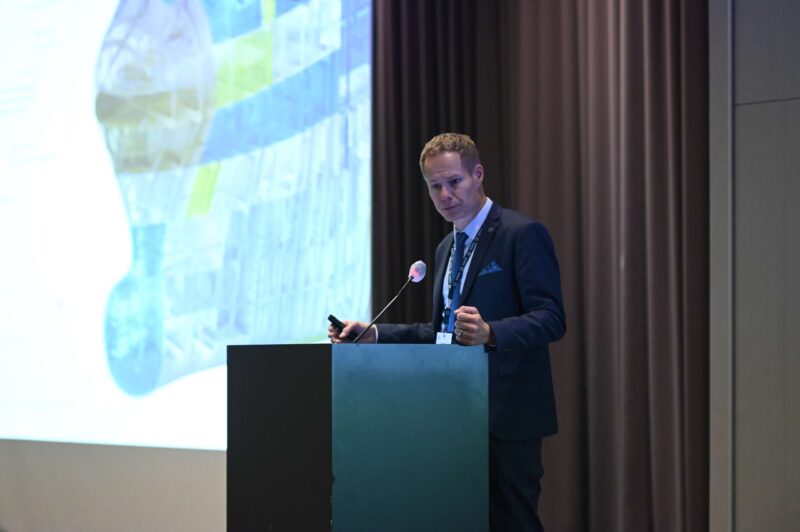
Of everything shown in Busan, one moment stood out. NAPA Navigator, the integrated AI solution planned for release in the near future, was demonstrated live, and it quickly became the talking point of the seminar. Attendees watched a NAPA model modified directly through natural language, including a ship lengthened by several metres quickly, entirely through conversational commands. Questions kept coming well after the formal demo ended, carrying into the breaks and the discussions that followed.
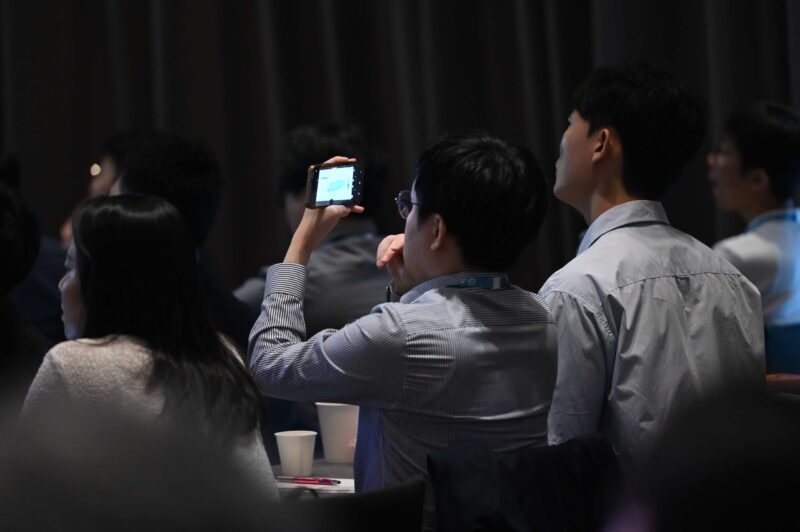
One attendee captured the moment well:
The expression ‘AI Starting Point’ stayed with me… I especially agreed deeply with the message that a ship’s twenty-five years of operation are determined at the shipyard… I could feel first-hand that AI can go beyond being a simple command tool and change the way ship design work is done.”
Great discussions, great atmosphere
Beyond the formal program, what made this year’s seminar memorable was the atmosphere it created. Conversations ran long, questions were sharp, and the exchange between NAPA and the Korean shipbuilding community felt less like a seminar and more like a working session among peers. A record turnout is a meaningful number, but the quality of the discussion it produced is what we’ll remember most.
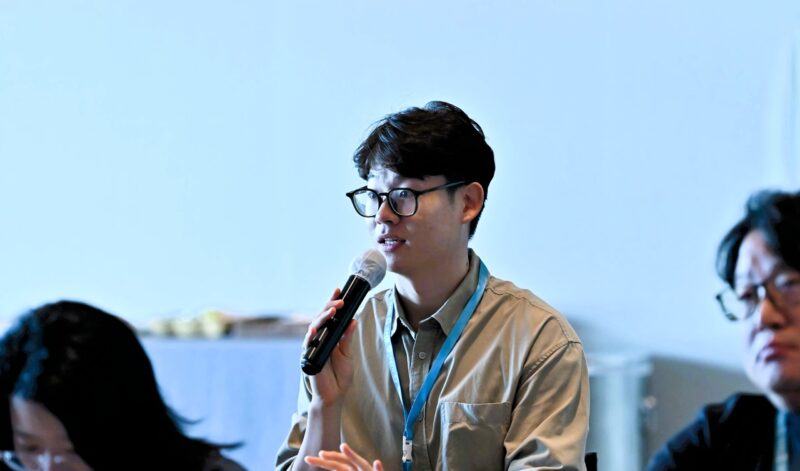
These conversations reinforced a shared view: that AI should not only improve productivity, but also make advanced design tools more intuitive and accessible to naval architects at every stage of their career. At NAPA, we’re committed to building that future together with the Korean maritime community, and we look forward to continuing the conversation at next year’s seminar.