November 27, 2026
25 Years in Japan, and still building together: NAPA User Seminar Japan 2026 review
NAPA User Seminar Japan returned to Kobe this October, drawing 167 participants from 60 companies and organizations over two days, the largest turnout in the seminar’s history. This year also marked a quiet but significant milestone: 25 years since NAPA first opened its doors in Japan.
An industry leaning into AI, together
If there was one thing everyone in the room was talking about, it was AI, not as a general idea, but as something already changing daily work. NAPA opened the seminar by laying out the industry’s current moment: strong orderbooks, tightening emissions rules, and AI moving faster than almost anyone expected a year ago. From there, the conversation turned practical. What does it actually mean to trust an AI tool with decisions that have been built on decades of engineering judgment? NAPA’s answer leaned on its own track record: AI only earns its place in safety-critical design work if it’s built on the same reliability the industry has already come to expect.
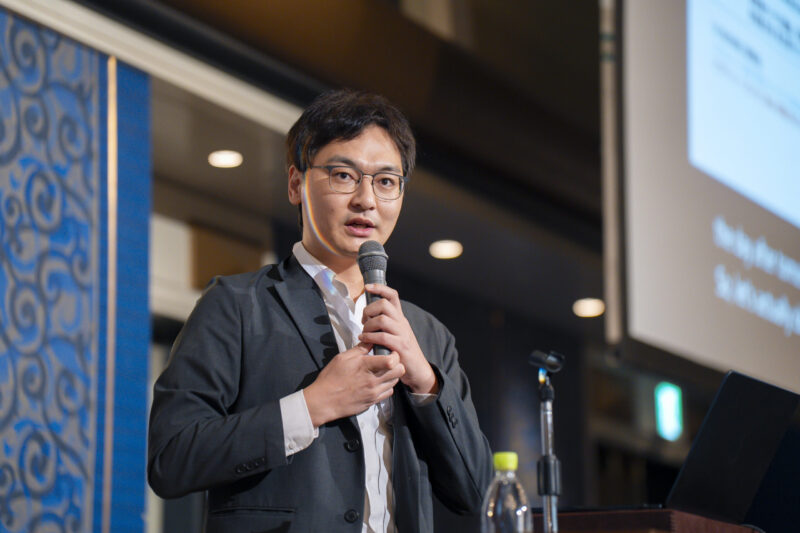
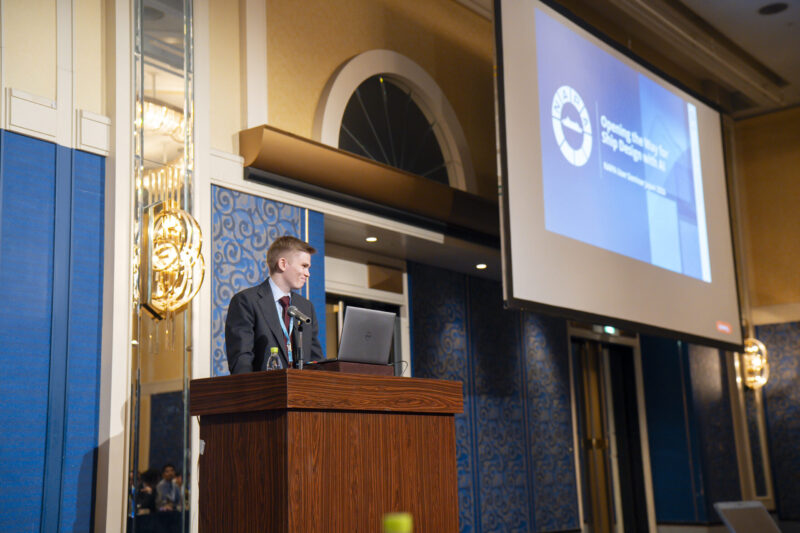
That theme carried through the rest of the program, and customers clearly felt it too. In post-event feedback, attendees repeatedly pointed to how quickly NAPA has embraced AI as one of the most striking parts of the seminar. The hands-on AI and API demonstrations at the showroom were a particular highlight, with several attendees saying they left with real plans to bring NAPA’s upcoming AI assistant back to their own teams for consideration. Forward-looking ideas, like operating design software through natural, Japanese-language instructions, stood out to many as a genuine glimpse of where the work is headed, not just a demo.
Customers talking real problems, shared them openly
What made this year’s seminar feel different was how much of the program customers themselves shaped. One of the most talked-about sessions came from JMU, who shared an honest progress report on their multi-year shift toward 3D-model-centered structural design: what’s worked, what hasn’t, where the hard problems still are, and how AI and automation fit into what comes next.
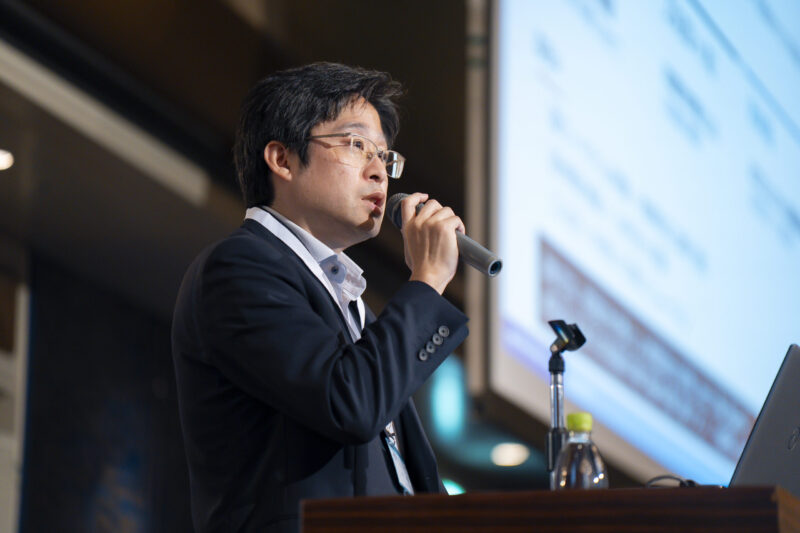
The throughline across customer talks was less about any single technology and more about a shared, industry-wide problem: fewer experienced designers, more complexity, and the real risk of losing hard-won know-how as veteran engineers retire. Different companies are tackling that problem in different ways, some by building closer collaboration between shipyards and design partners, others by rethinking how 3D tools get introduced to newer engineers so they still develop the judgment that software alone can’t teach. Attendees said as much themselves: these customer case studies, hearing directly how peers are adopting and adapting NAPA in practice, were some of the most genuinely useful parts of the whole seminar.
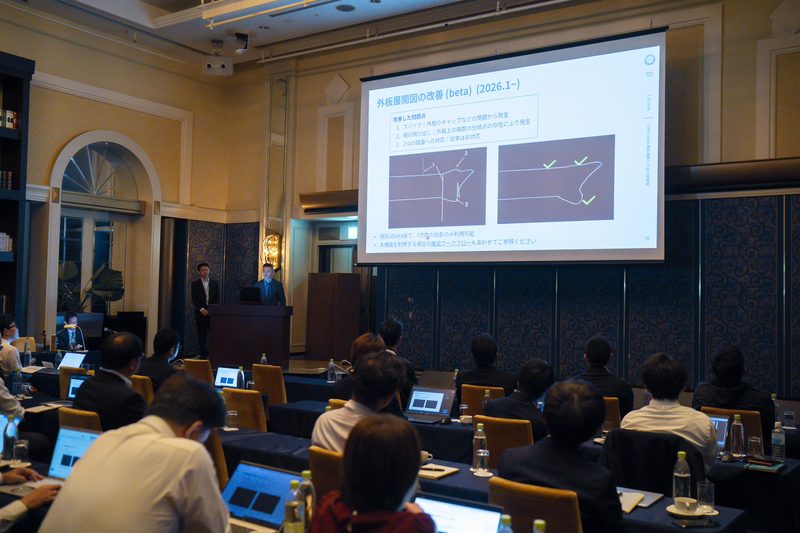
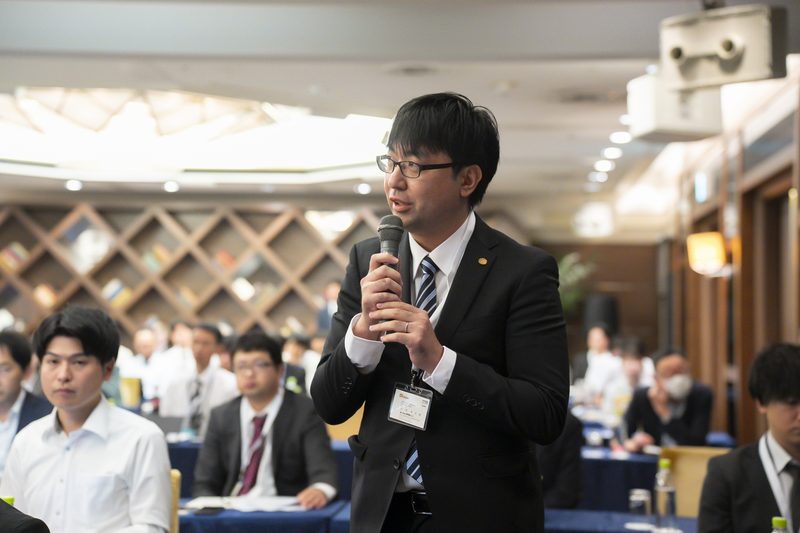
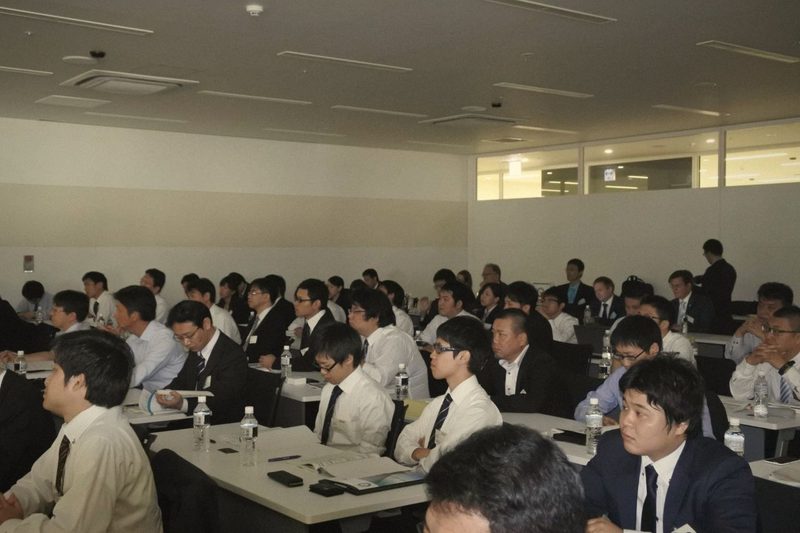
Attendees also valued the seminar as a space to have those conversations. Several noted how rare it is for shipowners, shipyards, and design firms to sit in the same room together. It said the time spent building new connections and speaking openly about everyday challenges was worth the trip on its own.
A great milestone of NAPA Japan

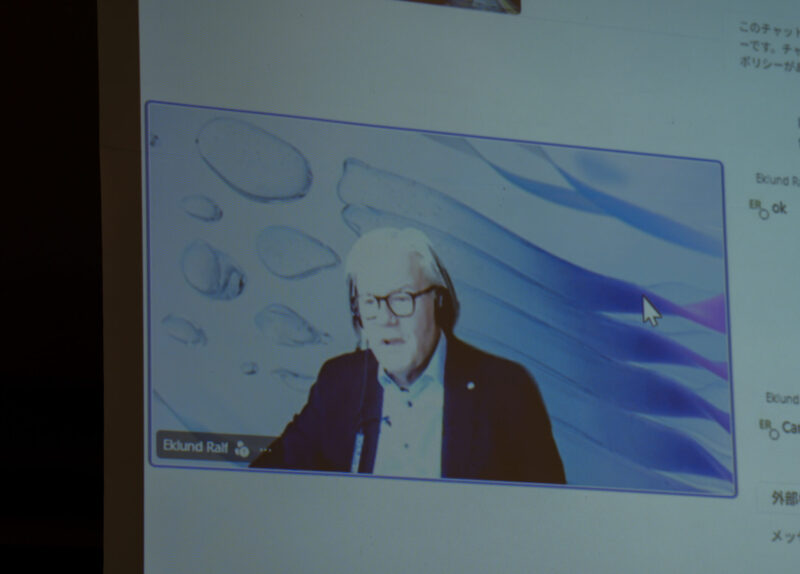
Amid all of that, the seminar paused for a moment to look backward. Twenty-five years ago, NAPA’s presence in Japan was a single person in a small room in Kobe, with four customers to its name. Naoki Mizutani, who opened that first office and now leads NAPA Japan as Managing Director, shared that story alongside Ralf Eklund, who has worked alongside Japan’s shipbuilding industry since nearly the beginning. Together, they traced how that one-person start grew into the relationships now filling a seminar room of 167 people, a culture NAPA Japan still calls its “NAPA Family.”
It was a reminder that the trust now being asked of AI is the same trust that took 25 years of showing up, listening, and building things together to earn in the first place.
A place worth returning to

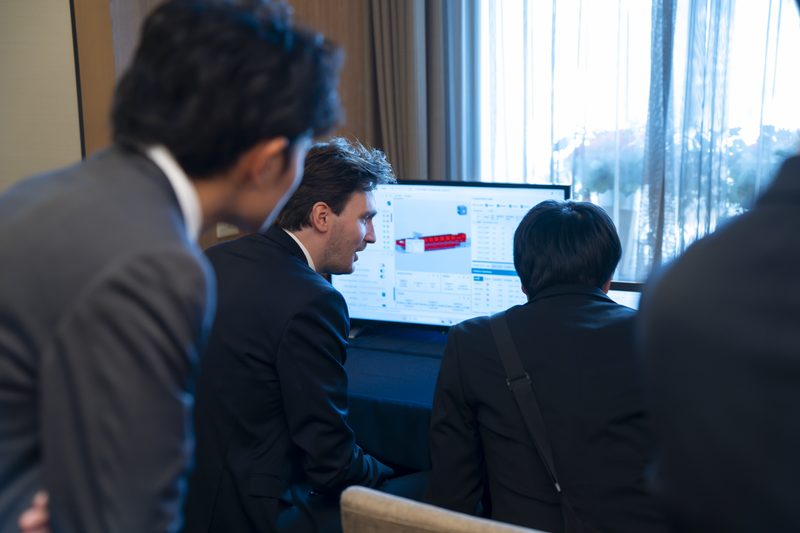
The clearest sign of what this seminar means came from the attendees themselves. Participants thanked the team and said they hope to come back next year for our user seminar, a rare space where shipowners, shipyards, design firms, and partners can sit together, speak openly, and learn from one another. 25 years in, that is still the thing NAPA hears most clearly from its community in Japan, and the thing it values most in return.
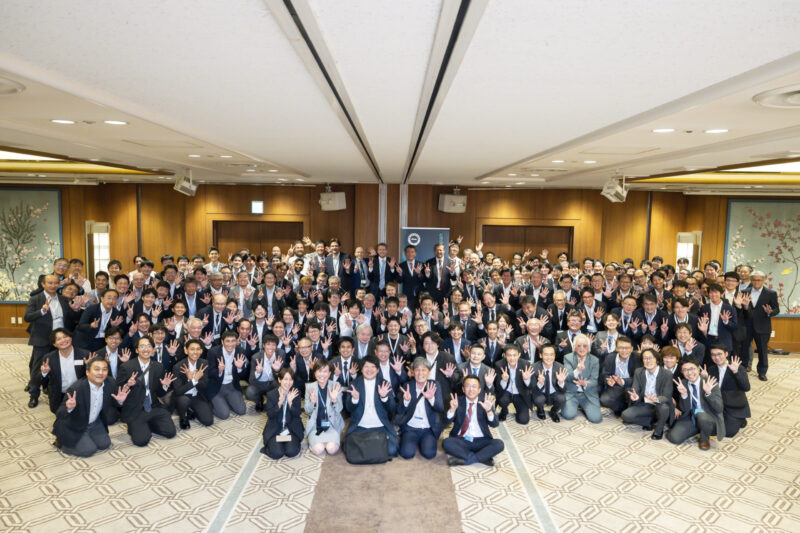
The industry ahead of us is not getting simpler. AI is moving faster than anyone predicted even a year ago, experienced designers are retiring faster than new ones can be trained, and the pressure to build more ships, more efficiently, is only growing. No single company will navigate that alone. What this seminar confirmed, again, is that the value NAPA can offer isn’t only in software, it’s in being a place where this community gathers, a bridge between the people designing ships today and the challenges they’ll face tomorrow. That is the role NAPA intends to keep playing, for the next 25 years and beyond.
Kaiji Press covered both the seminar itself and JMU’s presentation separately, and The Japan Maritime Daily reported on the event as well, a quiet sign that this community’s work is being watched and valued, well beyond the room it happens in. You can read NAPA’s recap of the Kaiji Press coverage here (in Japanese).