March 19, 2026
Debunking 7 maritime digitalization myths: what shipowners need to know

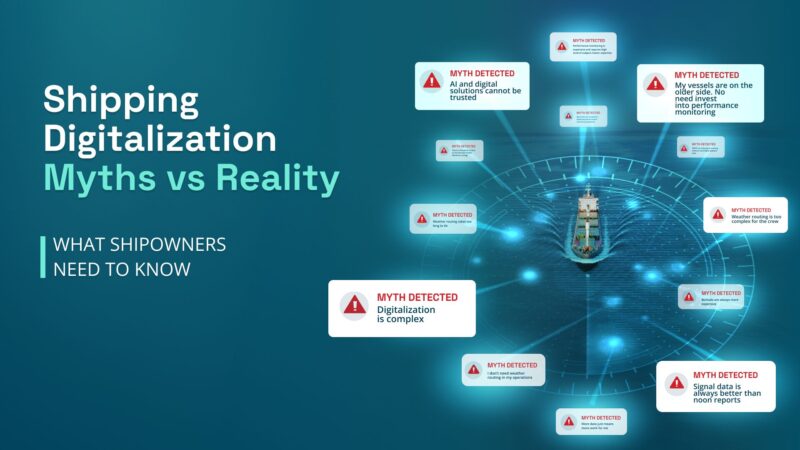
AI, automation, high frequency data, digitalization, data quality, the list goes on. The way modern fleets across the world should enhance their performance and capitalize on the latest technological developments is a much-debated topic, and with this discussion comes industry myths. When these materialize, they potentially jeopardize shipowners and operators from optimizing their operations and making smart investments to future-proof their fleet.
At NAPA, we believe that clear communication and transparency is key when counseling our customers on how to maximize the commercial benefits our solutions deliver. This comes hand in hand with debunking myths and demonstrating the tangible gains that shipowners, operators, captains, and crews can leverage by using a robust digital framework throughout their operations.
There has never been a better time to understand what myths are holding the industry back and need to be debunked.

Ossi Mettälä
Product Manager
Shipping Solutions, NAPA
1. “Digitalization is complex”
In a sense, this can be true at points, but only if you try to change too much, “boil the ocean”, all at once. This is to say that a complete overhaul of systems implemented overnight will lead to confusion, frustration, and lower efficiency when the digital systems are put into practice.
The most successful implementations of digitalization start by procedurally addressing what the key pain points to your operations are. Is it hours spent by crew inputting data after routine checks or is it the lack of ability to adapt to emerging conditions en route due to manual performance adjustments. By tackling the “low-hanging fruits” first, you will see how effective digitalization can become as much a part of the ship as the hull or the engine and see the benefits new systems have on operations. At NAPA we pride ourselves on demystifying the complexities of digitalization to ensure that practical, efficient, and easy to operate solutions are at the forefront of our offering.
2. “More data just means more work for me”
If more data means more work, then you are looking at raw numbers. This is an overwhelming standpoint and does not provide the value and actionable intelligence that data should unlock. The primary objective of a strong platform is to filter through the perceived “noise” and provide users with anomalies that require attention. There is no sense to read through 40 or 50 data points that show a normal or stable situation when an efficient visualisation should highlight the anomalies that need to be addressed urgently and keep operations running smoothly.
3. “AI and digital solutions cannot be trusted”
AI and digital solutions in shipping should not replace the authority of the captain or operator. They should not override the judgement or replace members of the crew or shoreside teams. The crux of successful deployment with these tools is about providing access to greater levels of information, or more efficient methods of data entry or collation, so that the crew can make well informed decisions, and have more time and capacity for other crucial tasks.
The NAPA mindset is to ensure our partners understand how AI and digitalization can be leveraged to optimize decision making, performance and efficiency on board. This comes with designing tools that confidently complement a crew, and do not cause confusion across communication channels and decision making.
4. “My Excels are as good as dedicated performance monitoring solutions”
Excel sheets when used for discrete calculations or tasks have proven to be a staple to life at sea and onshore, but they are not suited to collaboration, historical modelling, and systematic evaluations. The spreadsheet is a pin in the map of where you were and does not provide the vision needed to navigate evolving commercial and environmental variables. Furthermore, spreadsheets are error-prone and often rely on expertise of specific people, making them almost impossible to scale.
Performance monitoring solutions are an answer to this pain point; their development originated from the natural need for ship operators to forecast and adjust their operations accordingly in a collaborative environment. With an enhanced performance monitoring platform, operators can elevate their capabilities instead of simply recording them.
5. “I already have a verifier for my DCS and MRV data. I don’t need a separate solution provider”
The verifier’s job is to check the data for compliance, not to provide actions to reduce compliance costs. As there is growing strain on the maritime sector to comply with emerging regulatory frameworks, and a higher cost burden on this transition, ship owners and operator will be looking for solutions that turn this data into cost savings and efficiency enhancements. Compliance reporting is just a receipt from past operations – performance monitoring is the much-needed strategy to drive improvements.
6. “Performance monitoring is expensive and requires a high level of subject-matter expertise”
Organisations no longer need in-house data science teams to understand and interpret the fleet efficiency, or at least not with the right software. Modern performance monitoring tools translate data into insights. Thereby, streamlining vast data pools into deliverable actions for operators. If this is not the case, then the performance monitoring is not delivering what it should.
NAPA’s approach to performance monitoring has always hinged on synthesising a practical application with an advanced system that provides reliable and accurate data for those onboard and shoreside to better their operations. Without a practical application, performance monitoring loses its ability to be cost-effective and optimize operations as it should.
7. “Signal data is always better than noon reports”
It is true that signal data can provide more insights on vessel performance and operations. However, it is not a panacea for improvement. It requires a higher investment threshold, since these solutions are often more expensive to install and maintain.
With noon reporting, the company can also achieve measurable performance improvements, but only if the scope and purpose for performance monitoring is properly defined. Both require close monitoring of data quality and action plans. Having a digital solutions partner that collaborates with you to establish the groundwork and the correct methodology for improvement ensures that you can truly understand how you can maximise the output from data and reporting.
See how digitalization delivers value in practice
Debunking myths is an important first step, but lasting results come from applying the right digital framework across operations. With the right tools in place, shipowners and operators can turn data into clearer decisions, stronger performance, and better support for compliance and decarbonization.
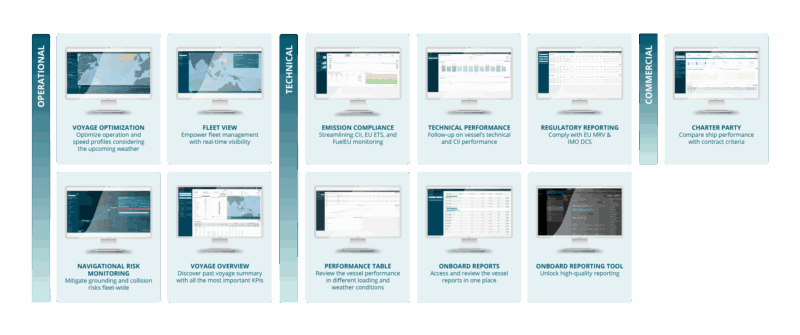
Explore how NAPA helps fleets improve efficiency, support compliance, and advance decarbonization with connected ship performance solutions.
Explore:
- How to improve fleet performance with actionable insights
- How to strengthen compliance with a more connected digital framework
- How to support decarbonization with better operational visibility